





回收和废物管理
回收倡议针对的是各种废料,包括电池、建筑垃圾和生物垃圾等日常用品。要重新利用这些不同的材料,通常需要将其粉碎和均质化,使其形成新的形状和新的物品。例如,用废旧瓶子中的碎玻璃颗粒可以制作新的瓶子或艺术品。另一个想法是将纺织品和皮革粉碎,然后用这些粉末制作新的家具覆盖物。尽管使用的是粉碎材料,但仍需要进行质量控制,以确保不会再使用有害物质,例如建筑垃圾中的石棉或电子垃圾中的有毒成分;

网络研讨会系列:回收和废物管理
我们向您展示玻璃、建筑垃圾、电池、纺织品和其他材料是如何通过精确的预破碎和减小尺寸、均质化和质量控制,以专业高效的方式进行加工再利用的。
聚合物和塑料 ;
建筑材料和采矿废料
废电池、金属和电子废料
纺织品、皮革、纸张、有机废物
回收利用的优势
回收利用各种材料是指回收和再利用这些材料,而不是填埋或焚烧废物。这些材料经过加工后重新用于新的项目,通过减少对新原材料的需求,保护了用于木材生产的森林和用于皮革生产的兽皮等自然资源。这一过程还能降低分解和焚烧过程中的温室气体排放,减少与生产新材料相关的能源消耗,从而减少对环境的影响。此外,回收还能降低工艺的总体成本。例如,与从原材料中提取铝相比,回收铝可节省高达 90% 的能源。获取原材料所需的矿山数量减少,从而减少了对环境的污染。通过再利用电子废物和确保质量控制,减少了有害物质对环境的污染。回收利用还能节约用水,因为回收利用过程比使用原材料所需的水更少。例如,每吨再生纸可以节约数千升水、数千度电和十几棵树。回收利用污水污泥、食物、庭院边角料和农业残留物等有机废物,可将其转化为堆肥和沼气等宝贵资源。这一过程在废物管理战略中至关重要,它可以将有机废物从垃圾填埋场转移出来,因为垃圾填埋场中的有机废物会厌氧分解并产生甲烷--一种强烈的温室气体。现在,随着技术的进步,可以提取以前在经济上无法回收的有价值矿物,包括微量金属,如金、银、铜和稀土元素。
通过电子废弃物的再利用和质量控制,减少了有害物质对环境的污染。回收过程比使用原材料更节水,例如每吨再生纸可节约数千升水、数千千瓦时电力及十余棵树木。有机废弃物(如污水污泥、食物残渣、庭院修剪物及农业残余)经回收后可转化为堆肥和沼气等宝贵资源。这一过程在废物管理策略中至关重要,它能将有机废物从垃圾填埋场转移——这些废物在填埋场会进行厌氧分解并产生强效温室气体甲烷。技术进步如今使我们能够提取先前因经济性不足而无法回收的宝贵矿物,包括金、银、铜等微量金属以及稀土元素。

RETSCH 设备广泛应用于回收领域:
- 质量控制和加工。质量控制过程和再利用过程都从预破碎和减小尺寸开始,以便为分析或进一步使用材料做好准备。在这一阶段,RETSCH 提供了大量完成这些任务所必需的机器,为了更好地概览,QC/加工这一部分按回收材料分成了不同的区域。筛分和分级以及颗粒压制属于这一部分。
- 在研发领域,机械化学方法为塑料、植物物质或食物残渣等废料的回收利用提供了新的途径,RETSCH 球磨机在这些新兴工艺中发挥着关键作用。
- RETSCH 还提供废物管理设备,例如二次燃料或土壤修复设备
Sustainability through recycling
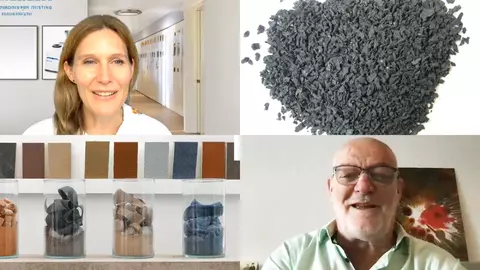
在本次访谈中,Cooloo首席执行官分享了该公司如何运用创新技术——包括RETSCH仪器——将废弃物转化为宝贵资源,从而推动循环经济的发展。
研磨回收材料:
鉴于需要回收或分解的固体废物性质各异,RETSCH 的破碎机和研磨机被用于各种回收方法中。固体废物分为不同的类别,每一类都有其独特的挑战和机遇,下文将对此进行探讨。
矿产资源



特殊应用



生物基材料




工程材料和可回收物
回收和可持续性 | VERDER SCIENTIFIC
测量系统 GrindControl GrindControl shows what’s happening inside the grinding jar – in real time
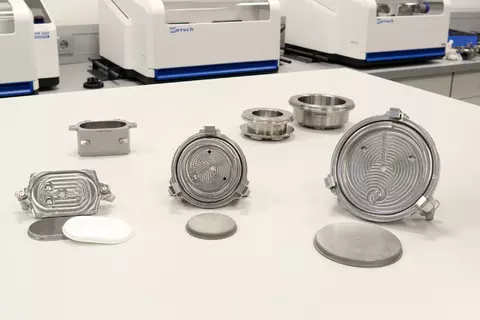
GrindControl provides real-time visibility into processes inside the grinding jar. Pressure and temperature are continuously monitored—ensuring safe, precise control, even with sensitive or reactive materials. Respond promptly to unexpected pressure spikes, and keep a close eye on temperature-sensitive samples and even mechanochemical reactions at all times.
GrindControl at a glance
- Real-time data on pressure & temperature
- Early detection of critical conditions
- Precise process control
- Protection of sensitive materials
- Reproducible results
联系我们获取免费的建议
RETSCH 为回收工艺提供全面的仪器组合 - 从质量控制和样品制备到创新的机械化学方法。无论是预磨、筛分、造粒,还是使用球磨机实现可持续的回收解决方案:
我们的全球网络和专家可为您提供个性化建议。请联系我们,与我们的专家合作,为您的应用找到理想解决方案!

应用报告
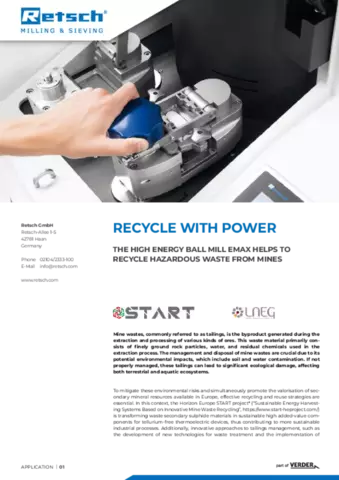
Recycling hazardous waste from mines
Mine wastes, commonly referred to as tailings, is the byproduct generated during the extraction and processing of various kinds of ores. This waste material primarily consists of finely ground rock particles, water, and residual chemicals used in the extraction process. The management and disposal of mine wastes are crucial due to its potential environmental impacts, which include soil and water contamination. If not properly managed, these tailings can lead to significant ecological damage, affecting both terrestrial and aquatic ecosystems.
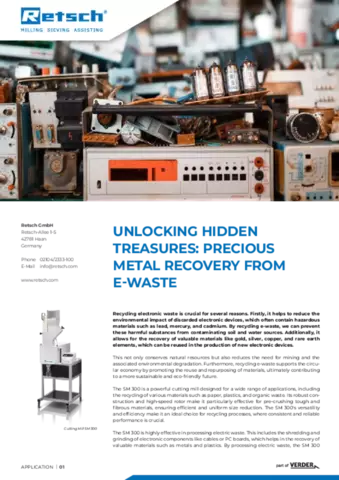
Precious metal recovery from E-Waste
Recycling electronic waste is crucial for several reasons. Firstly, it helps to reduce the environmental impact of discarded electronic devices, which often contain hazardous materials such as lead, mercury, and cadmium. By recycling e-waste, we can prevent these harmful substances from contaminating soil and water sources. Additionally, it allows for the recovery of valuable materials like gold, silver, copper, and rare earth elements, which can be reused in the production of new electronic devices.
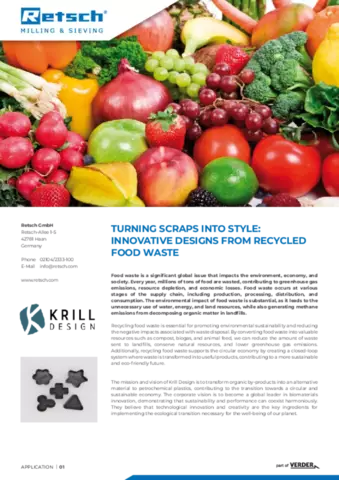
Innovative designs from recycled food waste
Food waste is a significant global issue that impacts the environment, economy, and society. Every year, millions of tons of food are wasted, contributing to greenhouse gas emissions, resource depletion, and economic losses. Food waste occurs at various stages of the supply chain, including production, processing, distribution, and consumption. The environmental impact of food waste is substantial, as it leads to the unnecessary use of water, energy, and land resources, while also generating methane emissions from decomposing organic matter in landfills.
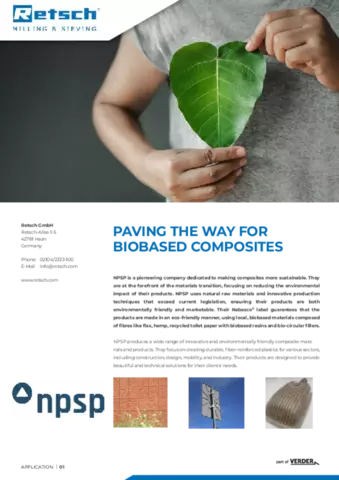
Paving the way for biobased composites
NPSP is a pioneering company dedicated to making composites more sustainable. They are at the forefront of the materials transition, focusing on reducing the environmental impact of their products. NPSP uses natural raw materials and innovative production techniques that exceed current legislation, ensuring their products are both environmentally friendly and marketable. Their Nabasco® label guarantees that the products are made in an eco-friendly manner, using local, biobased materials composed of fibres like flax, hemp, recycled toilet paper with biobased resins and bio-circular fillers.
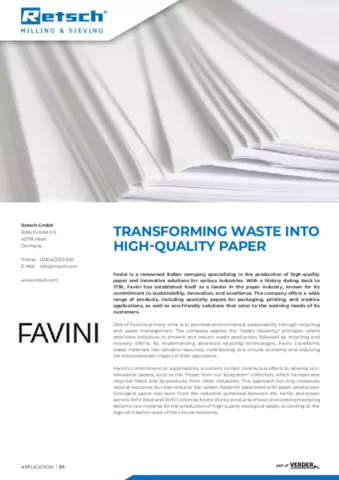
Transforming waste into high-quality paper
Favini is a renowned Italian company specializing in the production of high-quality paper and innovative solutions for various industries. With a history dating back to 1736, Favini has established itself as a leader in the paper industry, known for its commitment to sustainability, innovation, and excellence. The company offers a wide range of products, including specialty papers for packaging, printing, and creative applications, as well as eco-friendly solutions that cater to the evolving needs of its customers.
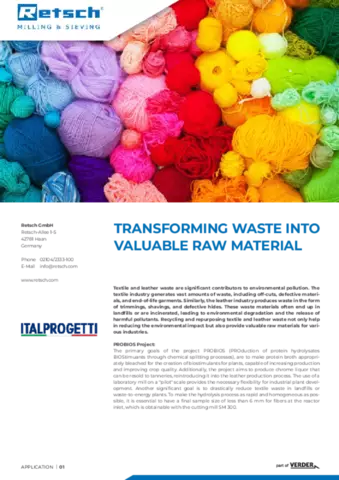
Transforming waste into valuable raw material
Textile and leather waste are significant contributors to environmental pollution. The textile industry generates vast amounts of waste, including off-cuts, defective materials, and end-of-life garments. Similarly, the leather industry produces waste in the form of trimmings, shavings, and defective hides. These waste materials often end up in landfills or are incinerated, leading to environmental degradation and the release of harmful pollutants. Recycling and repurposing textile and leather waste not only help in reducing the environmental impact but also provide valuable raw materials for various industries.
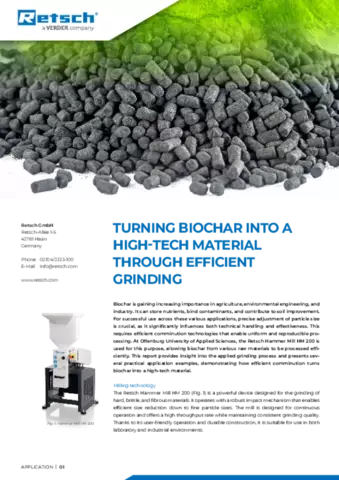
Turning Biochar into a high-tech material through efficient grinding
Biochar is gaining increasing importance in agriculture, environmental engineering, and industry. It can store nutrients, bind contaminants, and contribute to soil improvement. For successful use across these various applications, precise adjustment of particle size is crucial, as it significantly influences both technical handling and effectiveness. This requires efficient comminution technologies that enable uniform and reproducible processing. At Offenburg University of Applied Sciences, the Retsch Hammer Mill HM 200 is used for this purpose, allowing biochar from various raw materials to be processed efficiently. This report provides insight into the applied grinding process and presents several practical application examples, demonstrating how efficient comminution turns biochar into a high-tech material.